
Navigate Rising Homeowners Insurance Costs 2026
Homeowners Insurance, Risk Management, Client Communication
Helping Clients Navigate the Rising Cost of Homeowners Insurance in 2026
Homeowners insurance costs have climbed sharply in recent years—yet 2026 is showing early signs of stabilization. For professionals advising clients, the priority is shifting from explaining sticker shock to helping households understand what drives pricing, how risk management can protect both property and budget, and how clear communication supports better coverage decisions.
The New Reality of Homeowners Insurance Cost
Nationally, homeowners now pay in the mid–$2,000 range per year for coverage. Recent analyses place average annual premiums between about $2,400 and $2,500 for typical policies, depending on the amount of dwelling coverage selected. These averages reflect several years of rapid increases—industry data shows premiums more than doubling since 2019 in some segments—followed by a modest slowdown in 2025 and 2026 as insurers reached more sustainable pricing levels.
Behind the numbers are powerful cost drivers—higher reconstruction expenses, elevated catastrophe losses, and more expensive reinsurance. Construction materials and labor costs have risen significantly since 2018, pushing replacement cost estimates upward. At the same time, the severity of claims has reached record highs, particularly for fire and lightning losses, with some analyses showing severity nearly doubling compared with 2019. Even as claim frequency has eased, each loss tends to be far more expensive to settle, keeping pressure on premiums.
Geography matters as well. While inflation-adjusted national premium growth since 2019 has been moderate—roughly a few percentage points overall—coastal and catastrophe‑prone areas have seen increases of 25 percent or more. In several states exposed to hurricanes, wildfires, or severe convective storms, traditional admitted markets have tightened, and some homeowners have migrated to excess and surplus lines or state‑backed plans at higher cost. For professionals, recognizing these regional disparities is essential when setting expectations with clients who compare their premiums to friends or relatives in lower‑risk locations.
Positioning Risk Management as a Cost-Control Strategy
Although individual policyholders cannot influence macroeconomic trends or global reinsurance markets, they can take meaningful steps to manage risk—and, in many cases, moderate long‑term insurance costs. The starting point is a clear understanding of how underwriters view exposure. Factors such as the home’s age, construction type, roof condition, proximity to a fire station, and local crime levels all shape the risk profile and, ultimately, the premium charged.
Professionals can guide clients toward practical mitigation measures that both reduce the likelihood or severity of a loss and position them more favorably with insurers. Examples include replacing aging roofs with impact‑resistant materials, installing monitored fire and security systems, hardening properties against wildfire through defensible space, and addressing outdated electrical or plumbing systems. Many carriers offer credits or preferred pricing for documented improvements, and even where discounts are modest, loss avoidance can prevent the premium surcharges that often follow claims.
Coverage design is another area where risk management and cost intersect. Higher dwelling limits will naturally increase premiums, but underinsuring the home exposes clients to serious financial gaps after a major loss. A more balanced lever is the deductible—raising it can trim premiums while encouraging clients to reserve insurance for larger, less frequent events. Current data suggests that moving to a higher deductible can reduce premiums by close to 10 percent in some scenarios, provided clients have the liquidity to absorb smaller losses out of pocket. Structured correctly, this approach supports both affordability and long‑term insurability.
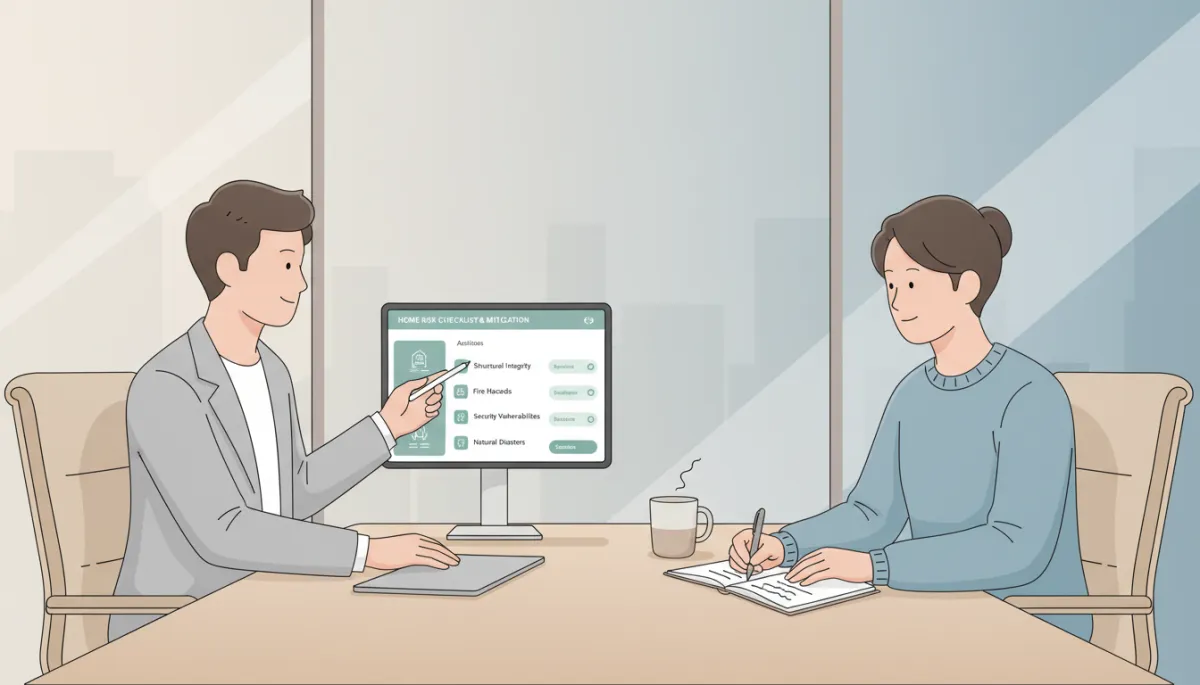
Proactive mitigation—roof upgrades, fire protection, security—can stabilize premiums over time.
Strengthening Client Communication in a Volatile Market
In today’s environment, how professionals communicate about homeowners insurance is as important as the coverage itself. Surveys show that most homeowners have experienced premium increases in recent years, and many attribute those changes to insurer profits rather than to underlying risk and cost dynamics. This perception gap can erode trust if not addressed directly. Clear, data‑informed explanations—linking rate changes to rebuilding costs, catastrophe trends, and regulatory constraints—help reposition the conversation from frustration to understanding.
Effective client communication begins with transparency at renewal. Rather than simply delivering a new premium, advisors can walk through the drivers of change—such as updated replacement cost estimates, claim history, or regional catastrophe experience—and outline the options available. These may include adjusting deductibles, refining optional coverages, or exploring alternative markets when appropriate. Importantly, the discussion should distinguish between short‑term savings and long‑term resilience, emphasizing that eliminating essential protections can create greater financial exposure than the premium reduction justifies.
Ongoing education reinforces this approach. Periodic check‑ins, targeted content, and simple tools—such as coverage review worksheets or risk‑readiness checklists—equip clients to make informed decisions before a renewal notice arrives. As market data indicates early signs of stabilization, with rate increases moderating to low single digits nationally, professionals can use this moment to reset expectations, highlight the value of comprehensive protection, and position themselves as long‑term partners in managing household risk rather than transactional policy providers.
Turning a Challenging Market into an Advisory Opportunity
Rising homeowners insurance costs have created understandable concern for clients, but they have also underscored the value of professional guidance. By framing premium trends within the broader economic and climate context, emphasizing practical risk management, and investing in clear, proactive communication, advisors can help clients protect both their homes and their financial stability. As the market gradually stabilizes, those who combine technical insight with disciplined client dialogue will be best positioned to build trust, deepen relationships, and deliver sustainable solutions in the years ahead.
(716) 684-6000
[email protected]